Lotus Cars
Lotus was entering a new era, where technology could radically change the relationship between car and user. From creative strategy to hardware and software innovation, the challenge was defining what this should feel like. The opportunity was to move beyond technology as a feature and define a future experiences rooted in the brand’s principles of Natural, Analogue and Digital. The ambition was to enhance the drivers connection to the car, building in clarity whilst ensuring the user is always in control.
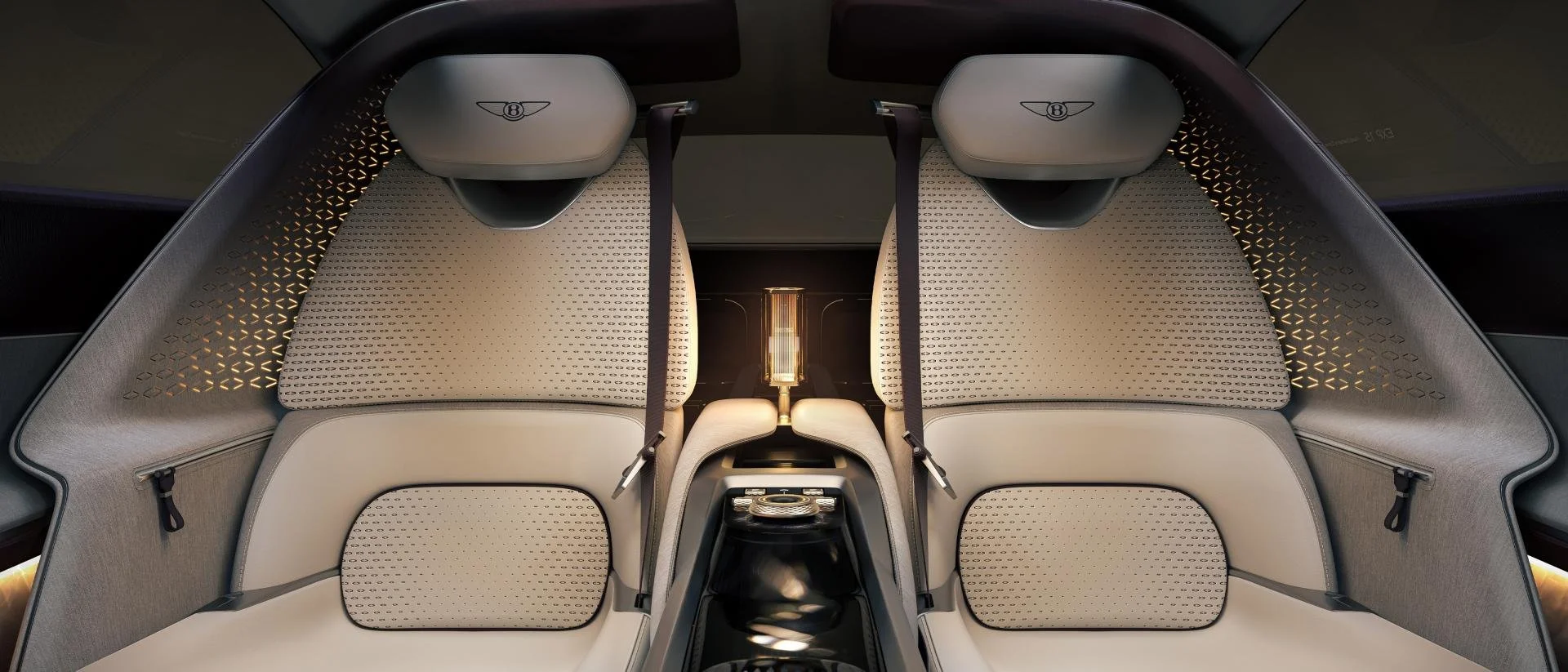
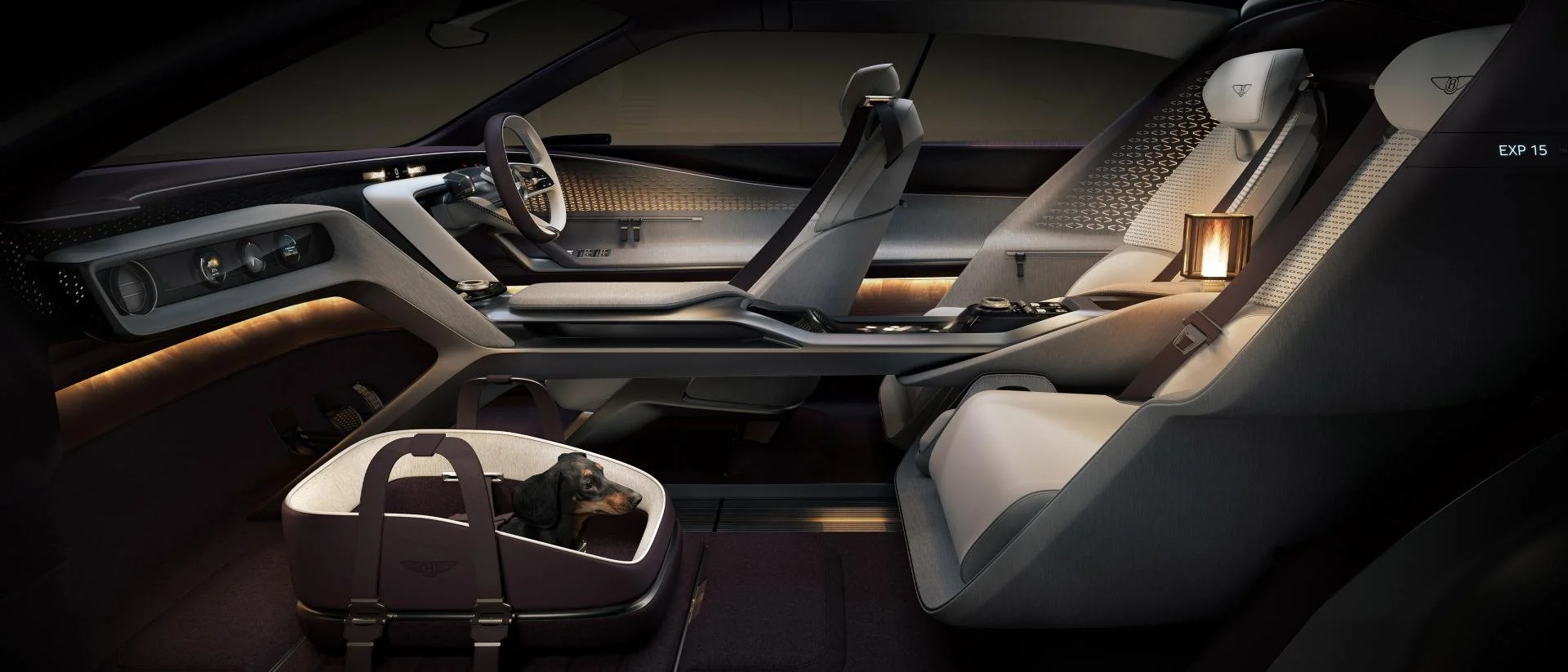
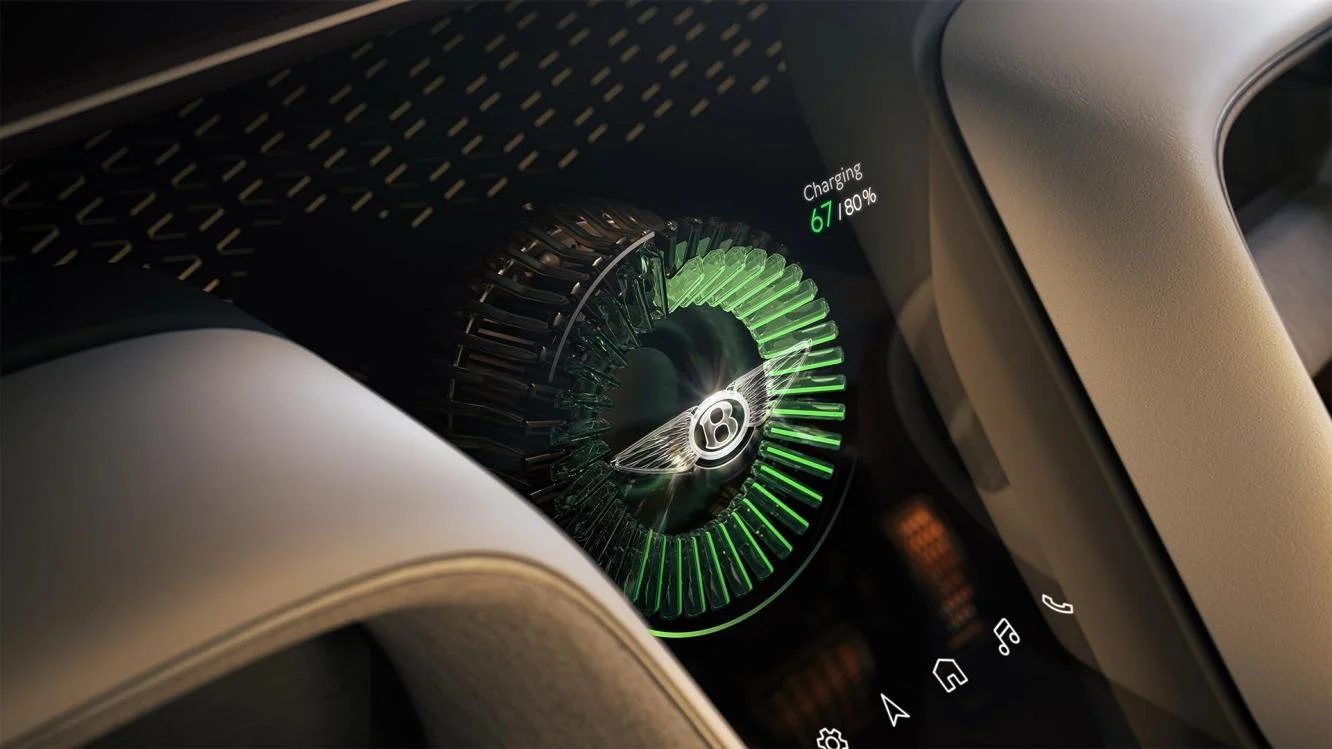
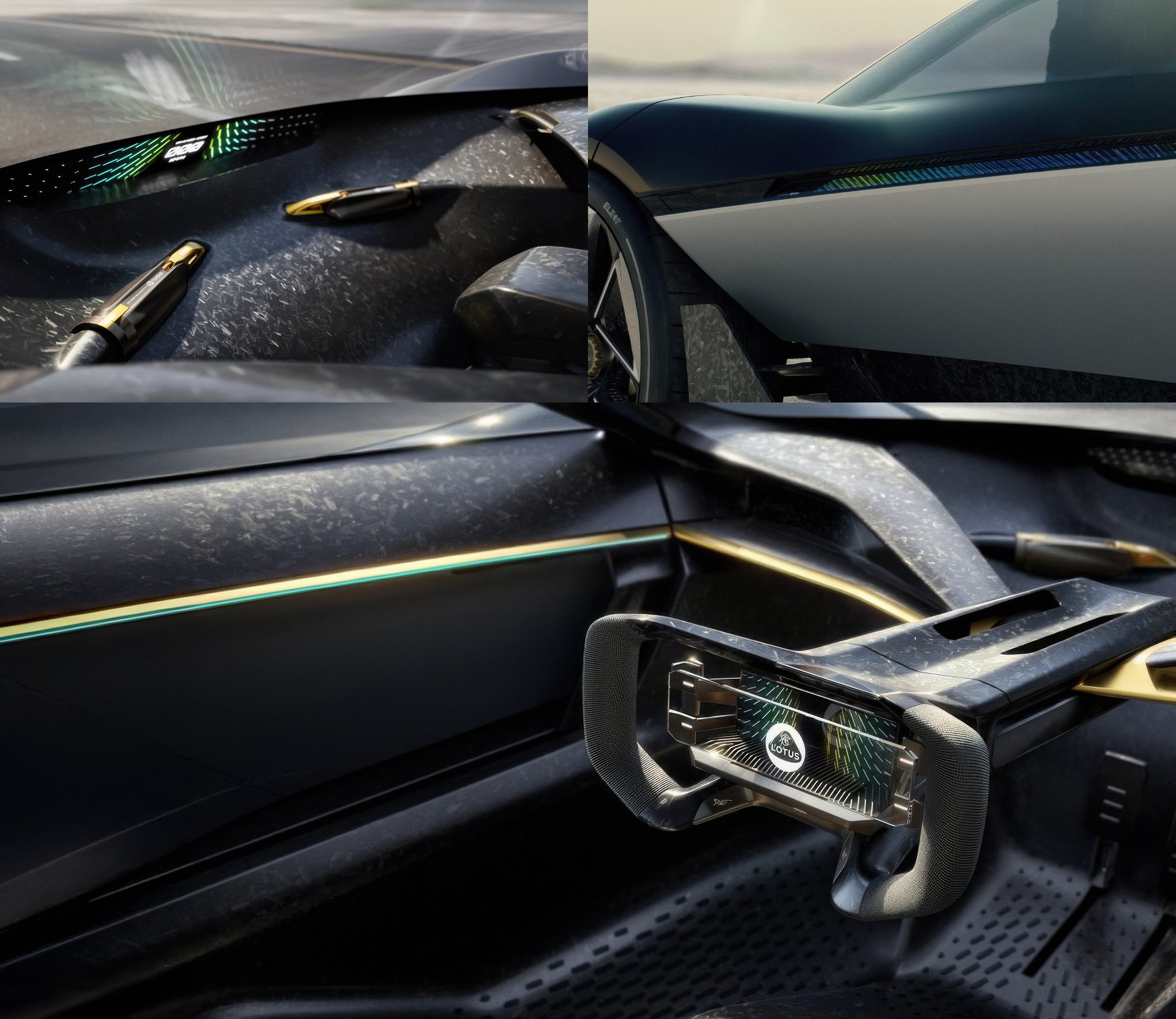
Working as an interior design consultant within a small multidisciplinary team, the focus became defining a future cabin experience framework across physical and digital touchpoints. Particular attention was given to next-generation drive modes: exploring how vehicle behaviour, driver intent and contextual data could come together to create new forms of engagement. User journeys, experience mapping and early storyboards helped translate complex systems into clear human moments, while sketching, CAD development and 3D visualization explored how these ideas could inhabit the cabin. Alongside this, interior design themes and innovations work streams were developed in close dialogue with design strategy, UX/UI and visualization teams.
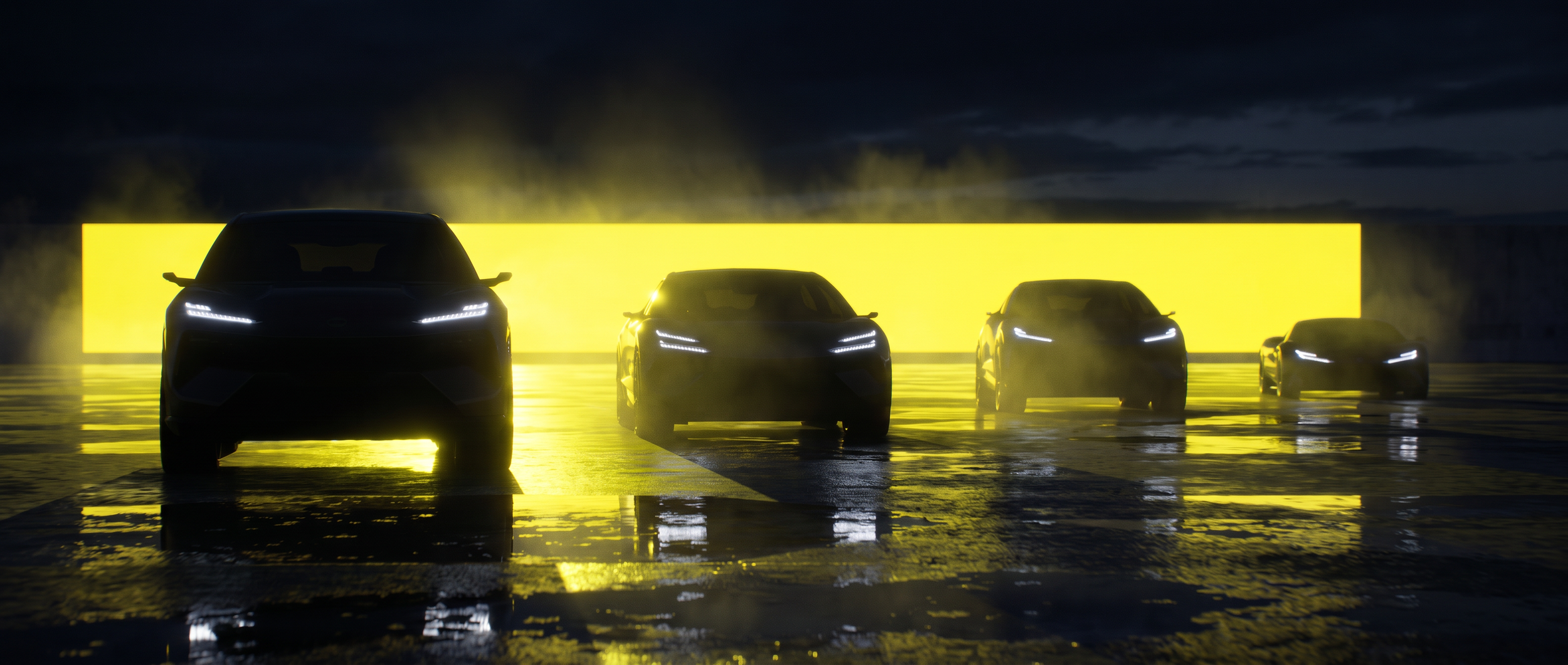
The work culminated in the UX vision for Project Sigma, a next-generation SUV concept, developed from early experience principles through to a finished film property. Creative art direction shaped the visual language, interaction concepts and narrative, bringing together physical design, digital interfaces and vehicle intelligence as one experience.
Rather than treating the cabin as a collection of screens and controls, the project explored an emotional system, one that responds, communicates and changes with the journey. It helped evolve Lotus’ UX vision, closing the gap between user and machine.